
Best Fish for Beginners in India: 12 Easy, Hardy Species for Your First Aquarium
Best Fish for Beginners in India: 12 Easy, Hardy Species for Your First Aquarium
Quick Answer
The best fish for beginners in India are Guppy, Molly, Platy, Betta, Goldfish, Zebrafish, Neon Tetra, and Corydoras. These species are hardy, forgiving of beginner mistakes, and widely available in Indian fish markets. Each still has its own preferred temperature and water range — but most are manageable without expensive equipment in typical Indian conditions.
Key Takeaways
- The best beginner fish are hardy, tolerant of water quality fluctuations, small enough for a realistic starter tank (20–80 litres), and available in most Indian aquarium shops for under ₹100.
- Avoid Discus, Saltwater fish, large cichlids, and Arowana as a first fish.
- Livebearers (Guppy, Molly, Platy, Swordtail) are the most beginner-friendly group overall — they tolerate hard Indian tap water and breed readily.
- A filtered, heated 15–20 litre tank is the minimum for a Betta; 40–60 litres is a more stable starting point for a small community.
- Feed beginner fish twice daily, only what they consume in 2 minutes, and perform 25% water changes weekly.
What Makes a Fish Good for Beginners?
The first fish most people buy is not the fish they should have bought. Discus, arowana, and large cichlids are beautiful, they’re at the front of the shop, and the shopkeeper doesn’t always mention that they need a 300-litre tank and soft water treated with an RO unit. This guide covers fish that are genuinely forgiving of the learning curve — species that tolerate the mistakes everyone makes in the first six months without dying to prove a point.
A good beginner fish is hardy enough to handle minor water quality fluctuations, small enough for a realistic starter tank (20–80 litres), peaceful enough to share space with others, and available in most Indian aquarium shops for under ₹100.
Best Beginner Fish by Tank Size
| Tank Size | Best Fish | Group Size | Notes |
|---|---|---|---|
| 15–20 L | Betta (solo) | 1 | Gentle sponge filter; no tank mates with flowing fins |
| 40 L | Guppy, Platy | 4–6 fish | Keep 1 male per 2–3 females |
| 40–60 L | Guppy + Platy + Corydoras | 6–8 fish total | Good beginner community |
| 60 L | Swordtail, Cherry Barb, Zebrafish | 6–8 fish | Active, visible schooling |
| 80 L+ | Neon Tetra school, Gourami | 8–12 tetras + 2 Gourami | Needs cycled, soft-ish water for tetras |
| 80–100 L | Goldfish (fancy varieties) | 2–3 | Cool water; high filtration |
Best Beginner Fish: At a Glance
| Fish | Tank Size | Difficulty | Price in India | Best Food |
|---|---|---|---|---|
| Guppy | 20+ L | ★☆☆☆☆ | ₹10–₹100 | Intan Guppy Pellets |
| Molly | 40+ L | ★☆☆☆☆ | ₹30–₹200 | Intan Guppy Pellets |
| Platy | 40+ L | ★☆☆☆☆ | ₹20–₹150 | Intan Guppy Pellets |
| Betta (solo) | 15–20 L | ★★☆☆☆ | ₹50–₹500 | Intan Betta Pellets |
| Zebrafish | 20+ L | ★☆☆☆☆ | ₹10–₹50 | Intan Micro Bits |
| Neon Tetra | 40+ L | ★★☆☆☆ | ₹15–₹60 | Intan Micro Bits |
| Cherry Barb | 40+ L | ★★☆☆☆ | ₹20–₹80 | Intan Bits |
| Corydoras | 40+ L | ★★☆☆☆ | ₹60–₹300 | Intan Herbivore Wafers |
| Goldfish | 80+ L | ★★☆☆☆ | ₹20–₹200 | Intan Goldfish Pellets |
| Swordtail | 60+ L | ★★☆☆☆ | ₹30–₹200 | Intan Guppy Pellets |
Guppy — The Most Beginner-Friendly Fish
Guppies are among the most widely recommended first fish because they are particularly hardy, their males are colourful and active, they breed readily, and they generally tolerate Indian tap water well. They still need clean, cycled water — hardiness does not mean negligible care. Tank: 20+ L | Temp: 22–28 °C | pH: 6.5–8.5 | Feed: Intan Guppy Pellets
Betta Fish — Best for Solo Beginners
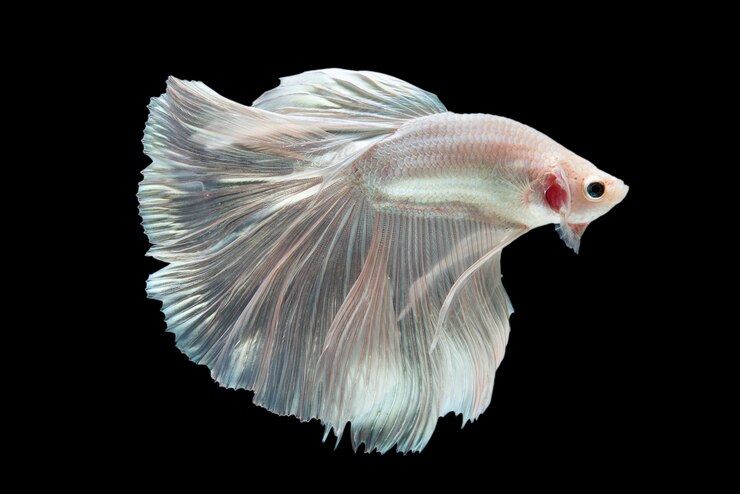
The Betta is the fish for someone who wants one thing done properly rather than a community tank. They’re genuinely interactive — they recognise faces, follow movement, and develop distinct personalities. Two male bettas in the same tank will fight to the death; one male in a well-planted 20-litre tank with a sponge filter and a heater will be one of the most rewarding fish you keep. Tank: 15–20 L | Temp: 24–28 °C | Feed: Intan Betta Pellets
Zebrafish (Danio) — One of the Most Resilient Beginner Fish
Zebrafish (Danio rerio) are among the most scientifically researched fish in the world and are notably resilient — they tolerate a wider temperature range (around 18–28 °C is comfortable), a broad pH range, and cope with fluctuations better than most ornamental species. They still benefit from clean water and a cycled tank. Tank: 20+ L | Feed: Intan Micro Bits
Neon Tetra — Beautiful Schooler
Neon Tetras are the world’s most sold ornamental fish. Their iridescent blue stripe and red tail create a spectacular display when schooled in a planted tank. Slightly more sensitive to water quality than livebearers but manageable for beginners with a properly cycled tank. Tank: 40+ L | Temp: 22–26 °C | Feed: Intan Micro Bits
Corydoras Catfish — Best Bottom Cleaner
Corydoras are small armoured catfish that spend their entire lives at the bottom of the tank, systematically sifting through gravel for anything edible. They’re not exciting in the way a Betta is exciting, but almost every experienced hobbyist keeps them — they clean up uneaten food from the substrate, they’re completely peaceful with everything, and a group of six Corydoras moving together has a strange charm to it. Tank: 40+ L | Feed: Intan Herbivore Wafers
Goldfish — Hardy But Not for Small Tanks
The common goldfish is one of the most recognisable fish in the world. They are genuinely hardy, but they are not well-suited to small beginner tanks — they grow large, produce significant waste, and prefer cooler water than most tropical species. They work well in outdoor ponds or large, well-filtered indoor tanks. Tank: 80+ L | Temp: 18–24 °C | Feed: Intan Goldfish Pellets (slow-sinking)
Fish to Avoid as a Beginner
| Fish | Why to Avoid as Beginner |
|---|---|
| Discus | Require soft, acidic water; very sensitive to water quality |
| Arowana | Need 500+ litre tanks; predatory; expensive; legal sourcing required for Asian varieties |
| Flowerhorn | Aggressive; must be solo; require large tanks |
| Oscar | Grow very large (30 cm+); highly predatory; require 200+ L |
| Marine/Saltwater fish | Require RO water, salinity control, expensive equipment |
Setting Up Your First Aquarium
The nitrogen cycle — the one thing beginners need to understand: Fish waste produces ammonia, which is toxic. A cycled tank has a colony of beneficial bacteria living in the filter that converts ammonia into nitrate — much less harmful. Building that colony from scratch takes 4–6 weeks. Adding fish before it’s established is the single most common reason beginner fish die for no apparent reason. If you know someone with an established tank, ask for a small piece of their used filter media. Dropping it into your new filter can cut cycling time to 1–2 weeks.
India-Specific Beginner Tips
Hard water: Most Indian tap water runs pH 7.5–8.5 with a TDS of 200–500 ppm — hard and alkaline. This is genuinely ideal for livebearers (Guppy, Molly, Platy, Swordtail), Zebrafish, and most of the species in this guide. Save the soft-water species like Discus and Cardinal Tetras for later, when you’re ready to deal with RO water management.
Summer heat: Indian summers push room temperatures to 35–40 °C. Use a small fan blowing across the water surface to create evaporative cooling, or move the tank to an air-conditioned room. Goldfish are most at risk.
Monsoon season: Perform a slightly larger water change (30–40%) during the first rains of monsoon — this mimics the natural environmental trigger that induces breeding behaviour in many species.
Recommended Intan Products for Beginners
| Fish | Intan Product |
|---|---|
| Guppy, Molly, Platy, Swordtail | Intan Guppy Pellets |
| Betta / Fighter Fish | Intan Betta Pellets |
| Neon Tetra, Zebrafish, Rasbora | Intan Micro Bits |
| Goldfish | Intan Goldfish Pellets |
| Corydoras, Pleco (bottom feeders) | Intan Herbivore Wafers |
| Baby fry | Intan Breeder & Grower B1 |
Frequently Asked Questions
What is the easiest fish to keep in India for beginners? Guppy fish. They survive in hard Indian tap water without pH adjustment, tolerate room temperatures without a heater, breed readily, and cost only ₹10–₹100.
What fish can survive without a filter? All fish benefit from a filtered, cycled tank. Unfiltered setups are not recommended as good care — surviving is not the same as thriving. A simple sponge filter costs under ₹150 and makes a significant difference to fish health.
How many fish can I keep in a 20 litre tank? A 20-litre tank is suitable for 1 Betta fish (solo, with gentle filtration), or a very small group of nano fish like 4–5 Endlers. For community setups, start with a 40-litre tank minimum.
What is the best community fish for beginners in India? Guppy + Molly + Platy + Corydoras in a 60-litre tank. All four species tolerate Indian tap water, are peaceful with each other, and are widely available in Indian aquarium shops.
Do beginner fish need a heater in India? Most tropical beginner fish need water at 24–28 °C. In most parts of India, room temperature during most of the year falls within this range. A heater is primarily needed during winter months in North India and hill stations where temperatures can drop below 20 °C at night.
How often should I feed my beginner fish? Feed beginner fish twice daily. Offer only what they can consume in 2 minutes. Remove any uneaten food after each feeding. Overfeeding is the single most common beginner mistake and causes water quality problems that harm fish.


